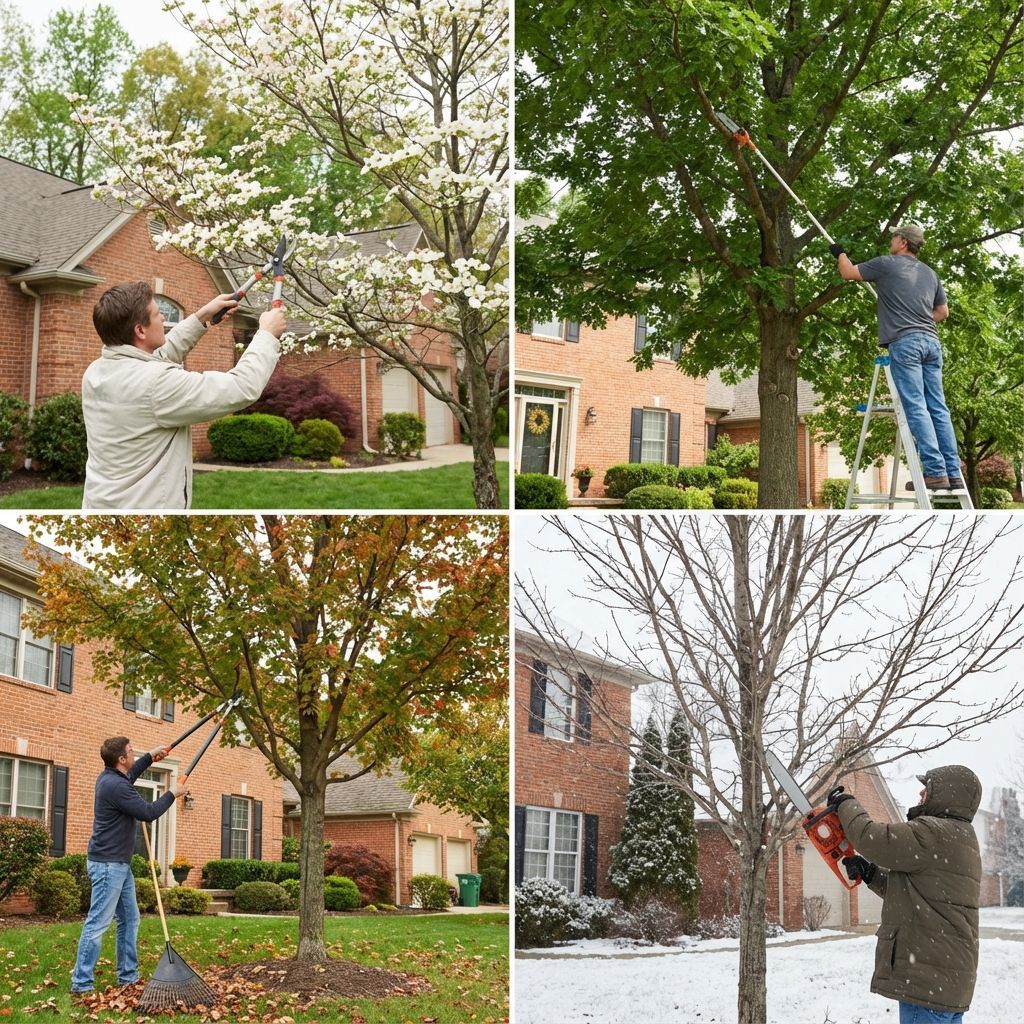
Proper tree pruning timing can mean the difference between a thriving landscape and stressed, vulnerable trees. In Richmond's unique climate, knowing when to prune different tree species is essential for maintaining healthy, beautiful trees that enhance your property value and curb appeal.
Why Pruning Timing Matters in Richmond's Climate
Richmond's humid subtropical climate presents specific challenges for tree care. Our hot, humid summers and variable winter temperatures create ideal conditions for disease spread if trees are pruned at the wrong time. Understanding seasonal pruning windows helps your trees heal properly while minimizing stress and disease risk.
When you prune at the optimal time, your trees compartmentalize wounds more effectively, reducing the risk of pest infestation and disease transmission. Poor timing, however, can leave your trees vulnerable to problems like oak wilt, fire blight, and various fungal infections common in Central Virginia.
Winter Pruning: The Ideal Window for Most Trees
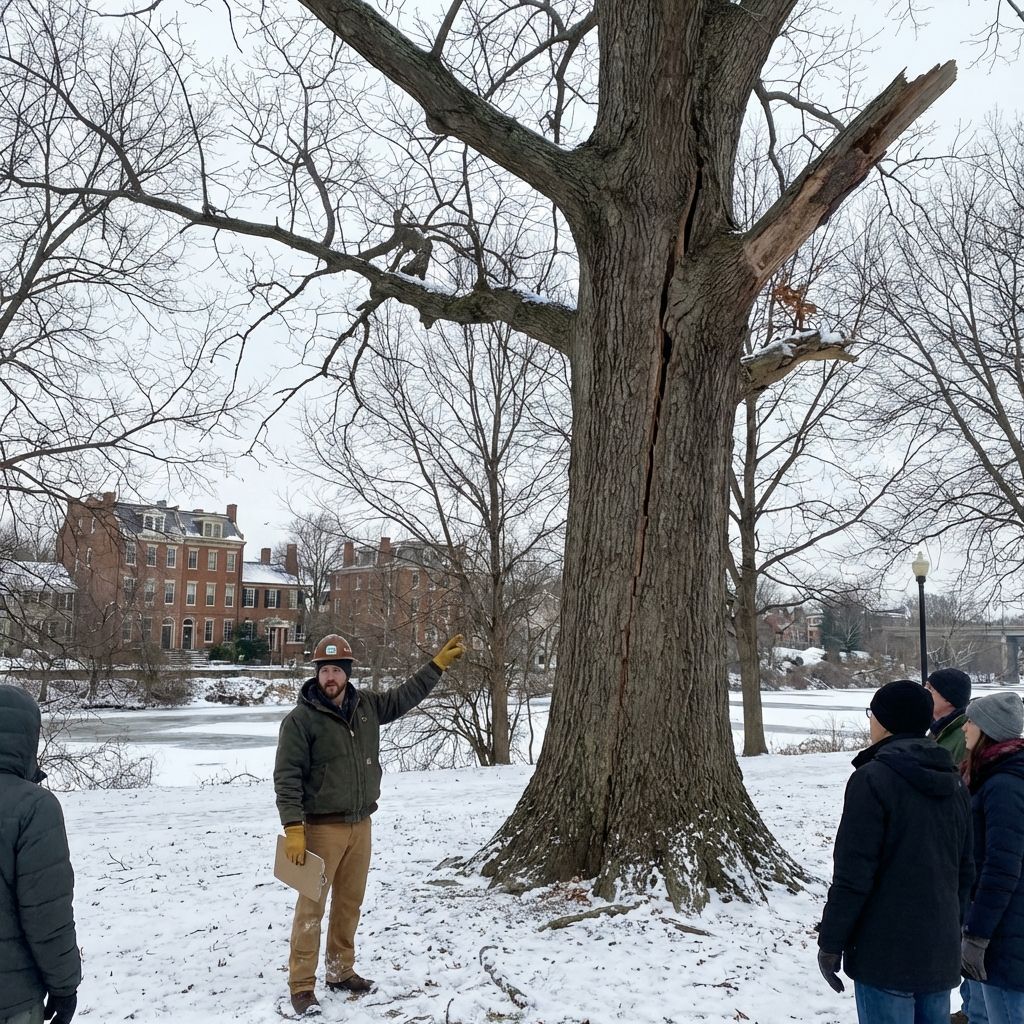
For the majority of Richmond's trees, late winter (January through early March) offers the best pruning window. During dormancy, trees allocate less energy to wound closure, making cuts less stressful. The absence of leaves also provides clear visibility of the tree's structure, allowing arborists to make more precise cuts that enhance the tree's natural form.
Oak trees deserve special mention because of oak wilt disease, which spreads rapidly in our region. Never prune oaks between April and October when the beetles that transmit this deadly disease are most active. If storm damage requires emergency oak pruning during the growing season, immediately seal all cuts with wound dressing to prevent beetle attraction.
Maple and birch trees are notorious "bleeders" that lose significant sap when pruned in late winter. While this sap flow looks alarming, it's generally harmless and won't hurt the tree. If the heavy sap flow concerns you, consider pruning these species in late summer instead, though winter pruning remains acceptable.
Spring Pruning: Strategic Timing for Flowering Trees
Spring pruning requires careful timing based on whether your trees bloom on old wood or new wood. Richmond homeowners with spring-flowering trees like dogwoods, redbuds, and magnolias should wait until immediately after blooming to prune. Pruning before they flower removes the buds that have been developing since the previous summer, eliminating your spring display.
For trees that bloom in summer on new growth, such as crape myrtles and rose of Sharon, late winter or early spring pruning (before new growth emerges) actually encourages more abundant flowering. This timing allows the tree to direct energy into producing fresh growth that will carry the season's blooms.
Early spring is also the worst time to prune most trees. As sap begins rising and new growth emerges, trees are particularly vulnerable to disease transmission and stress. The combination of open wounds and active insect populations creates an invitation for problems.
Summer Pruning: Light Maintenance Only
Summer should be reserved for light corrective pruning and the removal of dead, diseased, or damaged branches that pose safety concerns. The active growing season means trees heal quickly, but the heat stress combined with pruning stress can overwhelm a tree's resources.
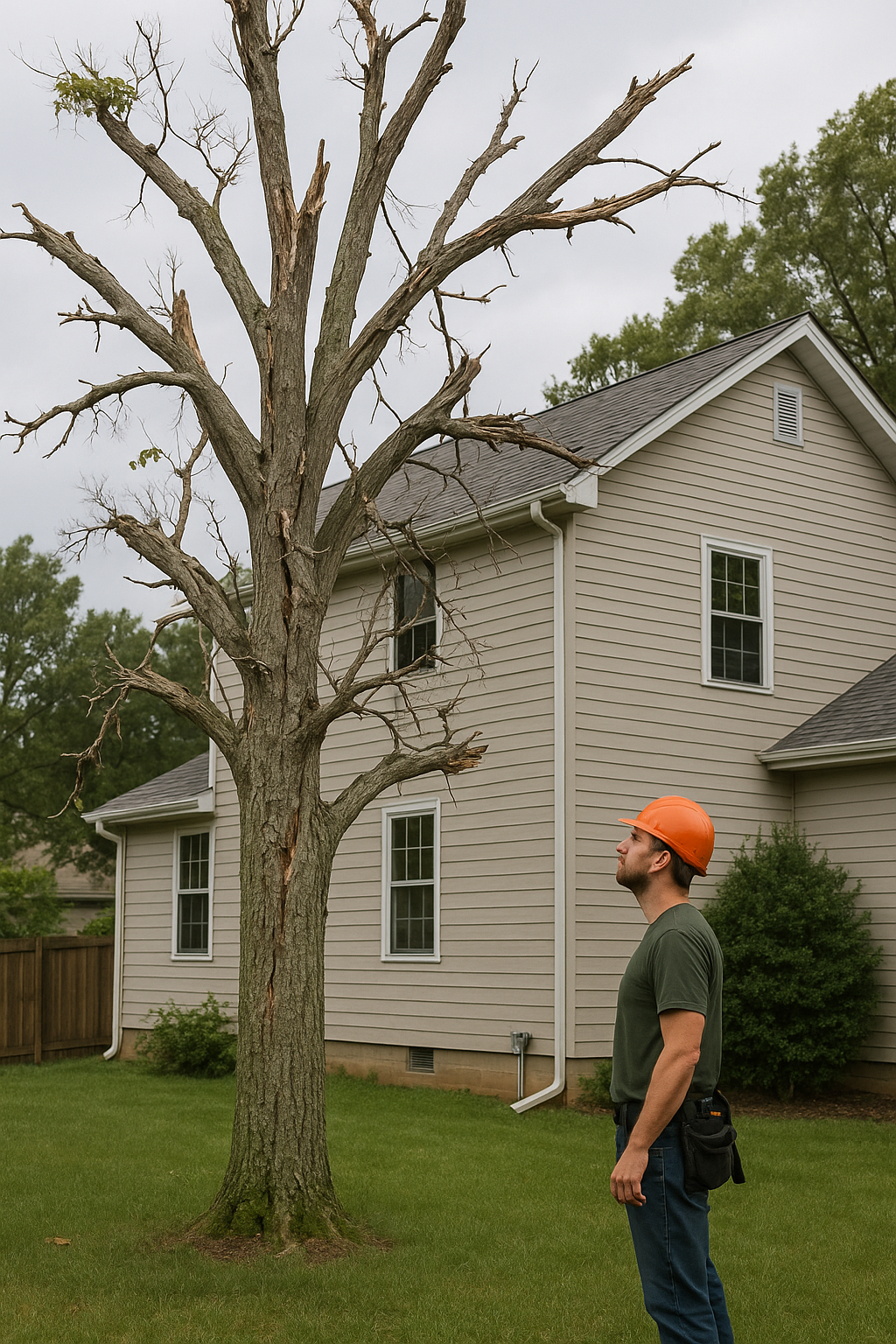
If you notice broken branches, diseased limbs, or storm damage during summer months, don't wait until winter. These hazards should be addressed immediately regardless of season. A qualified arborist can remove problematic branches while minimizing stress to the tree through proper cutting techniques and timing considerations.
Fruit trees benefit from light summer pruning to improve air circulation and sun penetration, which reduces disease pressure and improves fruit quality. However, major structural pruning should still wait until the dormant season when the tree can better tolerate the stress.
Fall Pruning: Generally Not Recommended
Fall represents the least ideal time for pruning most trees in Richmond. As trees prepare for dormancy, pruning stimulates new growth that won't have time to harden off before winter freezes arrive. This tender growth becomes highly susceptible to winter damage, potentially causing dieback that extends well beyond your pruning cuts.
Additionally, fall pruning wounds don't seal as effectively as those made during dormancy. The slower healing process leaves trees exposed to disease and pest problems through winter and into spring. The exception is removing branches that pose immediate safety hazards, which should never wait regardless of season.
Species-Specific Pruning Guidelines for Richmond Trees
Different tree species common in Richmond landscapes have unique pruning requirements. Bradford pears, though declining in popularity due to their structural weaknesses, should only be pruned in late winter and require careful weight distribution to prevent splitting. Southern magnolias tolerate pruning best right after flowering in late spring to early summer.
Holly trees can be pruned in late winter or early summer, with late winter preferred for major shaping work. Evergreens like pine and spruce should be pruned in late winter before new growth begins, or in mid-summer after the season's growth has hardened. Never prune evergreens in fall or you'll sacrifice next spring's growth.
Japanese maples, prized for their ornamental value, bleed heavily when pruned in late winter. For these specimens, wait until leaves have fully expanded in late spring, or prune in mid-summer when sap flow has slowed. Avoid fall pruning as it stimulates tender growth vulnerable to winter damage.
Professional Assessment Makes the Difference
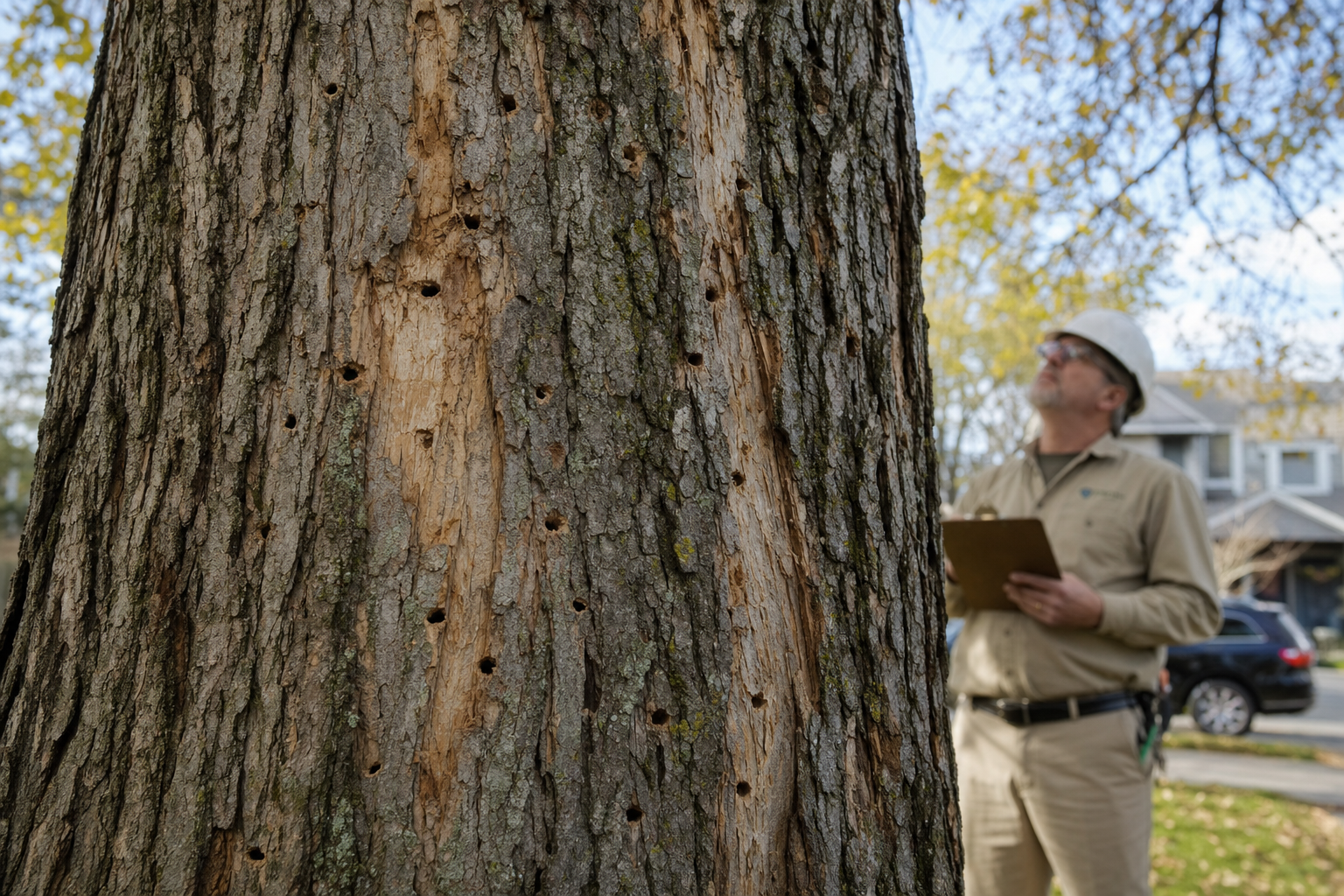
While general guidelines provide a starting point, every tree's situation is unique. Factors like tree health, previous pruning history, location, and specific goals all influence optimal pruning timing. A certified arborist can evaluate your specific trees and recommend the best approach for your landscape.
Professional arborists understand Richmond's local disease pressures, common pest issues, and how microclimates throughout the region affect tree health. They can identify structural problems that require correction, disease symptoms that need attention, and timing considerations specific to your property's trees.
Poor pruning at any time of year causes lasting damage. Topping, lion's tailing, and over-pruning stress trees and create long-term structural problems. Professional pruning enhances your trees' natural form while promoting healthy growth patterns that will serve your landscape for decades.
Don't Wait for the Perfect Moment to Address Hazards
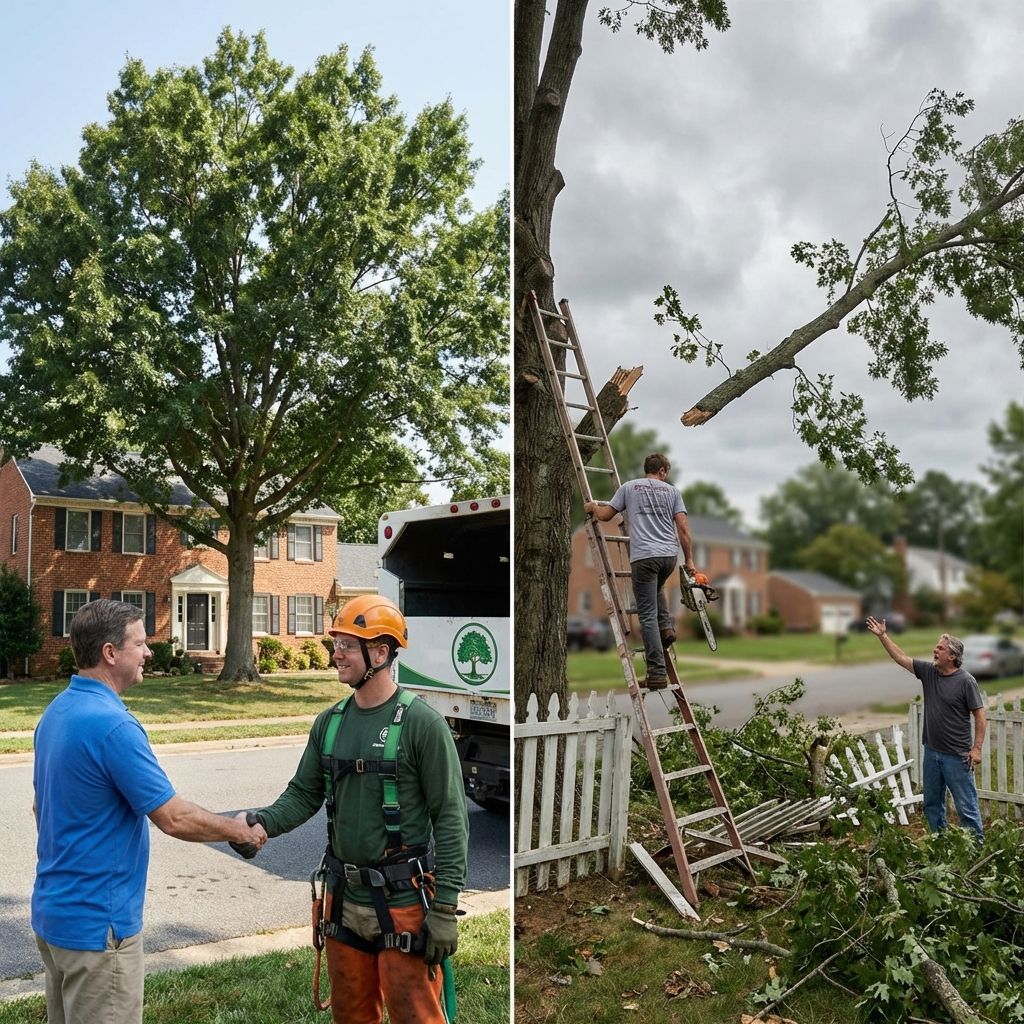
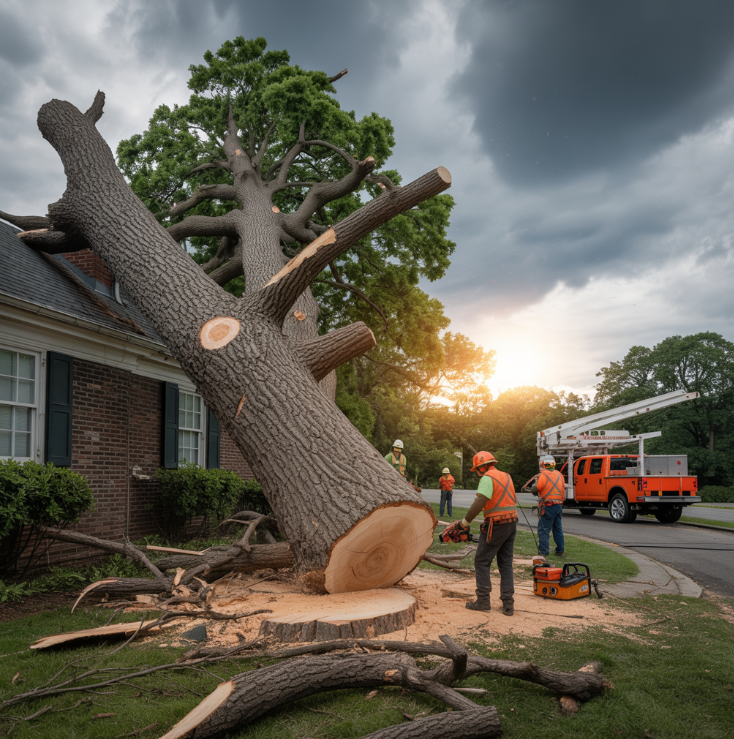
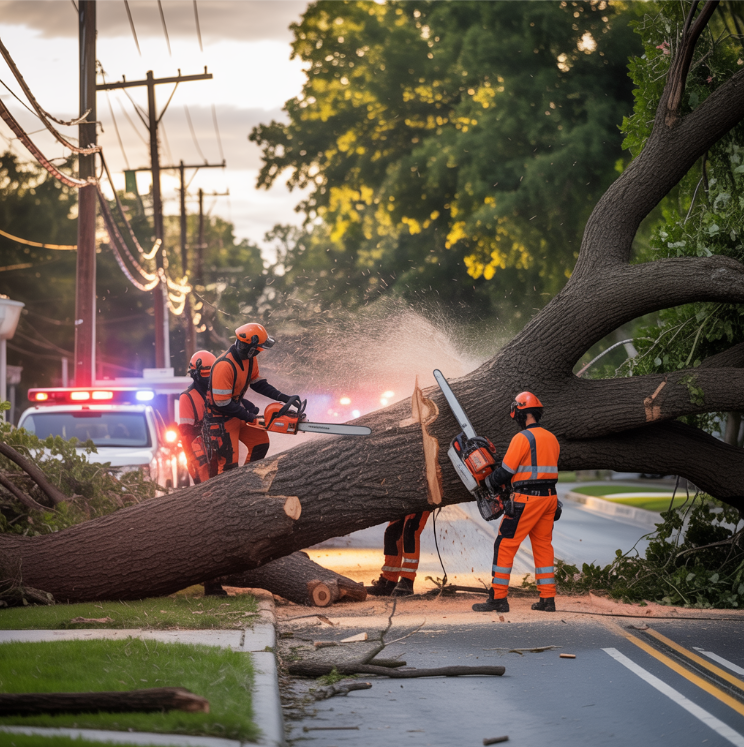
The guidelines above apply to routine maintenance pruning and aesthetic shaping. Safety always takes precedence over seasonal timing. Dead branches, broken limbs, and trees threatening structures or power lines need immediate attention regardless of season.
If you're uncertain whether a situation requires emergency attention or can wait for optimal pruning season, contact a certified arborist for an assessment. They can help you prioritize work and schedule routine maintenance at the best time while addressing immediate safety concerns.
Schedule Your Richmond Tree Pruning Service Today
Ready to enhance your landscape with properly timed professional pruning? Richmond Tree Pros provides expert tree care services throughout the Richmond area. Our certified arborists understand local tree species, disease pressures, and optimal pruning timing to keep your trees healthy and beautiful year-round.
Contact us at (804) 656-5766 for a free consultation. We'll assess your trees, recommend the best timing for pruning, and provide expert care that protects your investment in your landscape. Don't leave your trees' health to chance—partner with Richmond's trusted tree care professionals.