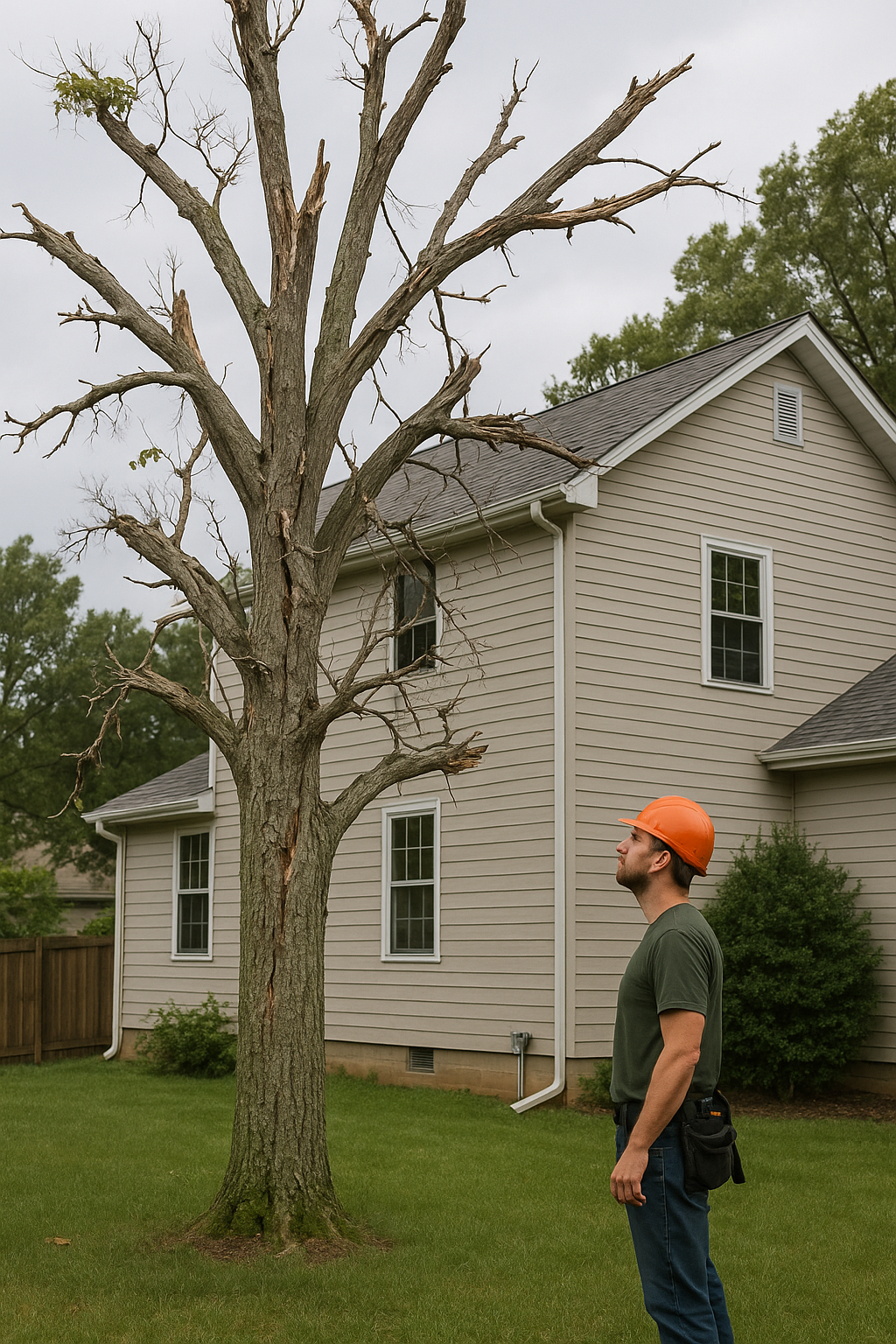
Right now, with leaves gone and branches bare, you can see your trees more clearly than any other time of year. That visibility reveals problems that summer foliage hides—dead limbs hanging over your house, cracks in major trunks, and structural issues that could turn deadly during the next storm.
For Richmond homeowners, late winter is the critical window for identifying dangerous trees before spring leaf-out conceals problems for another eight months. Here's why certified arborists recommend winter tree assessments and what warning signs you should look for right now.
What Winter Reveals That Summer Hides
Full summer canopies make trees look healthy and hide serious structural problems. Once leaves drop, the truth becomes visible:
Dead Branches You Couldn't See
That thick green canopy in July? It was hiding dead limbs throughout the crown. Without leaves, you can spot branches that died months or even years ago—branches that become dangerous projectiles during Richmond's spring thunderstorms and summer wind events.
Trunk Cracks and Splits
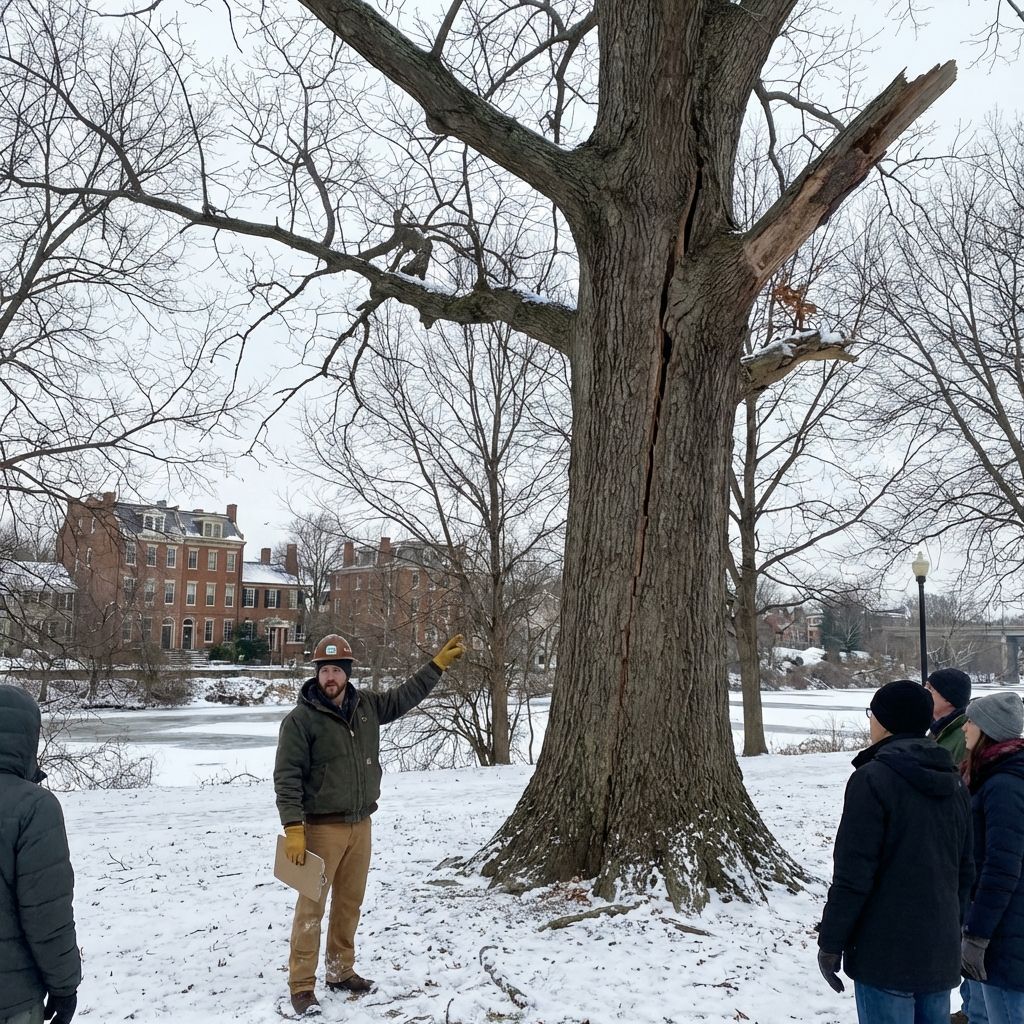
Vertical cracks in tree trunks indicate structural failure. These often run behind branches and foliage, invisible until winter exposes them. A cracked trunk means the tree could split apart without warning, especially under ice or wind load.
Fungal Growth and Decay
Mushrooms, conks, and shelf fungi growing on trunks signal internal rot. Summer leaves often conceal these warning signs. Winter exposes them clearly, giving you time to address decay before it progresses to complete structural failure.
Poor Branch Structure
Weak branch attachments, co-dominant stems, and included bark become obvious in winter. These structural defects are invisible under full foliage but represent future failure points that endanger your home and family.
Leaning Trees and Root Problems
Without foliage weight, you can accurately assess whether a tree is leaning dangerously. Winter also reveals exposed roots, root heaving, and soil cracks around the base—all signs that a tree's anchor system is failing.
Richmond's Winter Weather Makes Assessment Urgent
Virginia winters bring unique hazards that turn problematic trees into immediate threats:
Ice Storms: Richmond experiences multiple ice events each winter. Ice accumulation adds hundreds of pounds to branches. Dead limbs and weak attachments fail catastrophically under ice load, damaging homes, vehicles, and power lines.
Heavy Wet Snow: Central Virginia snow is heavy and wet compared to northern states. This dense snow stresses tree structures far more than powdery snow, causing failures in trees with hidden defects.
Wind Events: Winter storms bring sustained winds that test every tree's structural integrity. Trees with decay, cracks, or poor root systems fail during these events—often falling on whatever is below them.
Freeze-Thaw Cycles: Temperature fluctuations cause expansion and contraction in tree trunks. Existing cracks widen, decay progresses, and structural problems worsen throughout the season.
8 Warning Signs Visible Right Now
Walk your Richmond property today and look for these danger signals:
1. Dead Limbs Over Your House
Branches without buds or small twigs are dead. If they're positioned over your roof, driveway, or outdoor living spaces, they're accidents waiting to happen. Dead wood breaks unpredictably, especially during ice and wind events.
2. Hanging or Broken Branches
Partially detached limbs caught in other branches—called "widow makers" by arborists—are extremely dangerous. They can fall without warning, often during minor wind or when someone is standing below.
3. Cracks or Splits in the Trunk
Any visible crack running vertically up the trunk indicates serious structural compromise. These trees can split apart completely, often during storms when extra weight or wind load exceeds what the weakened trunk can support.
4. Fungus Growing on the Trunk
Shelf fungi, mushrooms, or conks indicate internal decay. The visible fungus is just the fruiting body—extensive rot exists inside the tree where you can't see it. This hollows out the trunk's structural strength.
5. Cavities or Hollow Areas
Holes in trunks or major branches, especially those large enough to see into, signal advanced decay. Hollow trees lose structural capacity and become increasingly likely to fail.
6. Leaning More Than 15 Degrees
Trees that lean significantly—especially if the lean appears recent or is increasing—are failing at the root system. Soil cracks, exposed roots, or mounding on the opposite side confirm active failure.
7. Dead or Dying Trees Near Living Trees
If multiple trees in the same area are dying, diseases like Dutch elm disease or oak wilt may be spreading. Early identification prevents disease transmission to healthy trees.
8. Trees Too Close to Power Lines
Winter reveals how close branches actually are to power lines. Trees and electricity are a dangerous combination. Branches that contact or could contact power lines during storms create fire hazards and outage risks.
Why You Can't Wait Until Spring
Many Richmond homeowners plan to "address tree issues in spring when the weather is nicer." This delay creates serious problems:
Spring Storms Come First: Richmond's severe weather season begins in March and April—before you've finished your spring assessment. Dangerous trees fail during these early spring storms.
Leaf-Out Hides Problems Again: Once trees leaf out in April, structural issues disappear behind foliage. You'll spend another summer looking at a tree that appears healthy while problems worsen unseen.
Tree Services Book Up: By the time everyone realizes they need tree work in spring, reputable companies are scheduled weeks or months out. Winter scheduling means you get on the calendar before the rush.
Dormant Season Removal is Better: Removing trees during dormancy is actually ideal. There's less collateral damage to landscaping, frozen ground supports heavy equipment better, and trees weigh less without foliage—making removal safer and often less expensive.
The Hidden Cost of Dangerous Trees
Ignoring obvious winter warning signs creates expensive consequences:
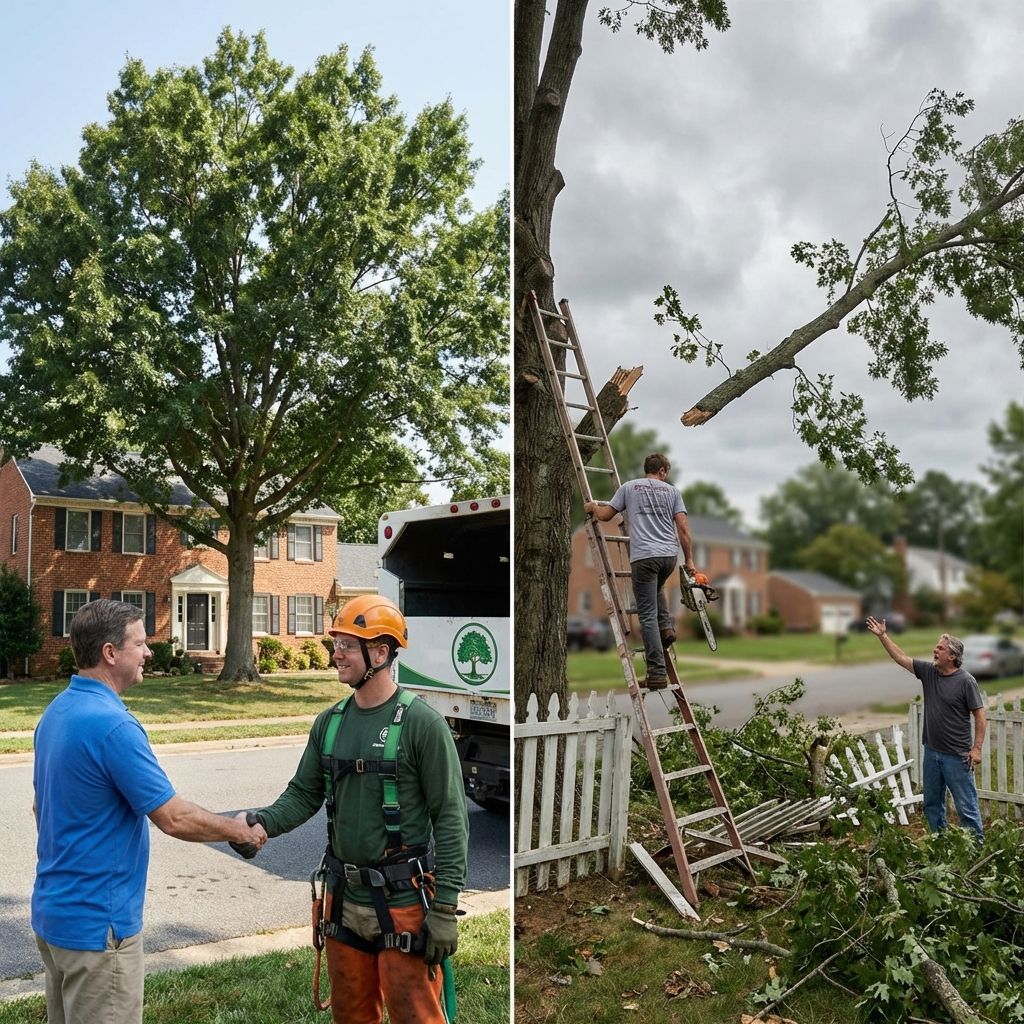
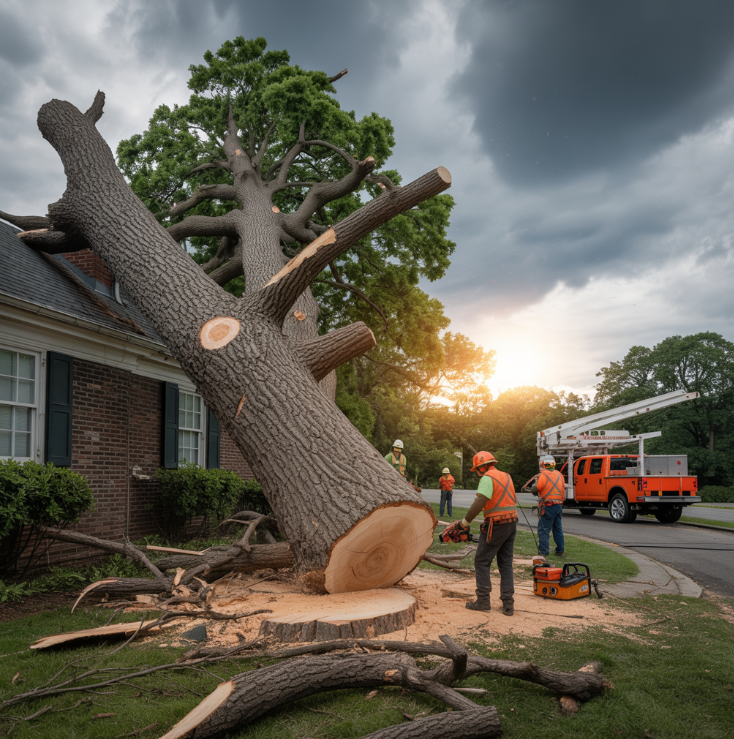
Property Damage: A large oak or maple falling on your Richmond home causes $15,000-50,000 in damage—far more than proactive tree removal costs. Insurance may not cover damage if you ignored obvious warning signs.
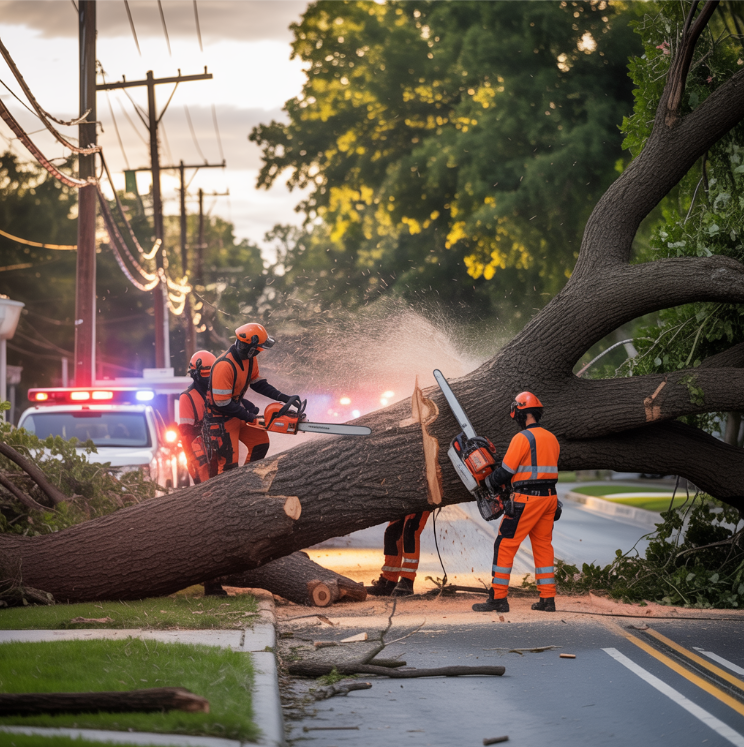
Emergency Removal Premiums: Emergency tree removal after a storm costs 2-3 times more than scheduled removal. You also wait days or weeks while crews handle life-threatening situations first.
Injury Liability: If a tree you knew was dangerous falls and injures someone, you face potential liability. Documenting concerns and taking action protects you legally and ethically.
Power Outage Responsibility: Trees that take down power lines can result in utility company charges for repair costs—potentially thousands of dollars.
What Professional Tree Assessment Includes
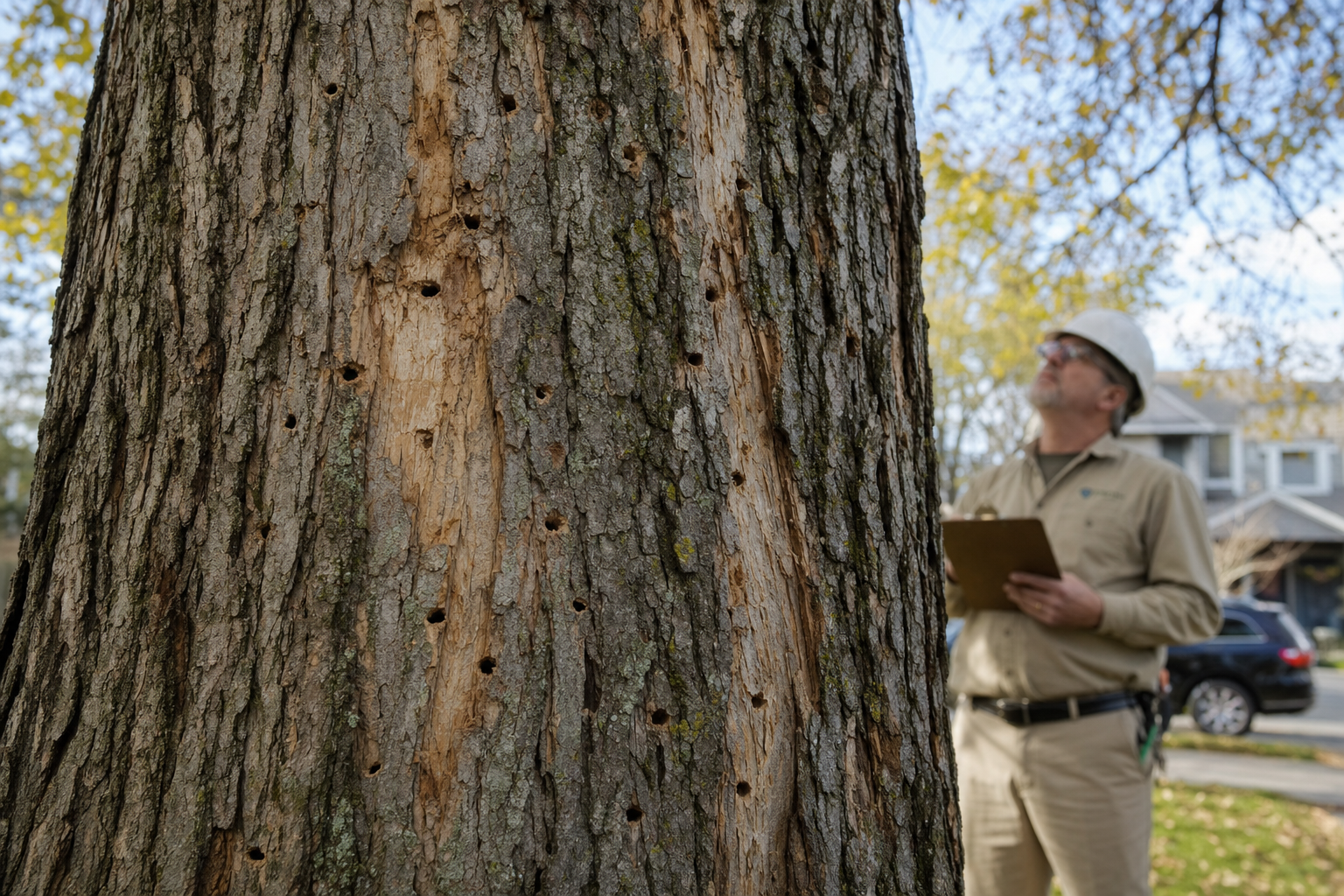
When certified arborists assess your Richmond property in winter, they evaluate:
- Overall tree health – Identifying dead, dying, or declining trees
- Structural integrity – Checking for cracks, weak attachments, decay
- Risk factors – Assessing what the tree could damage if it fails
- Storm damage potential – Evaluating ice and wind load tolerance
- Disease and pest issues – Spotting diseases that spread to other trees
- Proximity hazards – Identifying trees near houses, power lines, driveways
Professional assessment provides documentation that protects you legally and helps prioritize which trees need immediate attention versus monitoring.
Your Options When Trees Are Dangerous
Not every problem tree requires complete removal. Depending on risk level and tree condition, options include:
Selective Pruning
Removing dead or dangerous limbs while preserving the tree works when the main trunk is sound. This reduces risk without losing the entire tree.
Cabling and Bracing
For trees with weak branch attachments or co-dominant stems, structural support systems can prevent failure. This works for valuable trees worth saving.
Crown Reduction
Reducing overall tree size decreases wind resistance and weight load on compromised structures. This extends the life of trees that are declining but not immediately dangerous.
Complete Removal
When decay is extensive, structural defects are severe, or trees are dead, removal is the only safe option. Modern tree removal techniques allow safe removal even in tight spaces near houses and power lines.
Don't Gamble With Virginia Weather
Every winter, Richmond experiences multiple weather events that test tree structures. Ice storms, heavy snow, and wind events don't wait for convenient timing—they happen when they happen.
Trees with structural problems visible right now will fail during the next significant weather event. The question isn't if they'll come down—it's when, and what they'll damage when they do.
Take advantage of winter's clarity. Walk your property, look up, and honestly assess your trees. If you see warning signs, get professional evaluation before spring storms arrive.
Get Your Free Winter Tree Assessment
Richmond Tree Pros provides professional tree risk assessments throughout Central Virginia. Our certified arborists identify dangerous trees before they become emergency situations.
Our winter assessment services include:
- Complete property evaluation by certified arborists
- Detailed risk assessment for every tree
- Written documentation of concerns and recommendations
- Free estimates for removal, pruning, or structural support
- Priority scheduling for hazardous tree removal
- Emergency storm damage response
Call (804) 656-5766 today for your free tree risk assessment.
Don't wait until spring foliage hides problems again. Take advantage of winter's clear visibility to protect your Richmond property from dangerous trees.
Available for emergency tree removal 24/7 throughout Richmond, Henrico, Chesterfield, and surrounding Central Virginia areas.
Serving Richmond, Short Pump, Midlothian, Glen Allen, Mechanicsville, and all Central Virginia communities with professional tree care services.